The gaming industry has undergone a seismic shift in recent years, with cloud gaming emerging as a disruptive force that promises to redefine how players interact with their favorite titles. At the forefront of this revolution are cloud gaming experience stores, a novel retail concept that allows customers to access high-end games without the need for expensive hardware. For entrepreneurs looking to capitalize on this trend, the franchise model offers a compelling opportunity to tap into a rapidly growing market while minimizing operational risks.
The Rise of Cloud Gaming Experience Stores
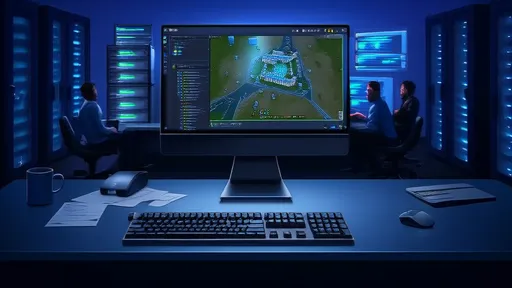
Traditional gaming cafes and arcades have long served as social hubs for gamers, but they often require significant upfront investments in hardware that quickly becomes obsolete. Cloud gaming experience stores eliminate this pain point by leveraging remote servers to stream games directly to low-cost terminals. This not only reduces the barrier to entry for franchisees but also ensures that customers always have access to the latest titles at maximum graphical settings.
Major players like Microsoft xCloud, NVIDIA GeForce NOW, and Sony PlayStation Plus Premium have created robust platforms that these stores can utilize. The franchise model typically involves partnering with one or more of these services to provide customers with a premium gaming experience. Store owners benefit from the technical infrastructure and game libraries of established providers while focusing on creating immersive physical spaces that enhance the social aspect of gaming.
Operational Advantages for Franchisees
Unlike traditional gaming businesses that require constant hardware upgrades, cloud gaming franchises operate with significantly lower capital expenditures. The stores typically need only reliable internet connections, comfortable seating, quality displays, and basic input devices. This lean operational model allows franchise owners to achieve profitability faster while maintaining flexibility to adapt to changing market conditions.
The subscription-based revenue model common in cloud gaming franchises creates predictable cash flow. Many successful operations combine membership fees with ancillary revenue streams such as food and beverage sales, merchandise, and esports events. This diversified approach helps mitigate risk and creates multiple touchpoints for customer engagement.
Designing the Optimal Customer Experience
Successful cloud gaming franchises understand that their value proposition extends beyond simple game access. The physical space must be designed to create an atmosphere that cannot be replicated at home. This includes ergonomic gaming pods, high-quality surround sound systems, and lounge areas that encourage social interaction. Some forward-thinking franchises have incorporated VR zones and streaming booths to cater to content creators.
The staff plays a crucial role in curating the experience. Well-trained "game guides" can help newcomers navigate the platform's library, recommend titles based on preferences, and even organize tournaments or community events. This human element transforms the store from a simple gaming venue into a cultural hub for local gaming communities.
Marketing Strategies for Franchise Success
Effective franchise operations employ a multi-channel marketing approach that combines digital outreach with local community engagement. Social media platforms like TikTok and Twitch have proven particularly effective for showcasing the store's atmosphere and hosting live gaming sessions. Many franchises collaborate with local influencers and esports teams to build credibility within the gaming community.
At the local level, hosting school gaming tournaments, developer Q&A sessions, and new title launch parties can drive foot traffic. Loyalty programs that reward frequent visitors with exclusive access or discounts help maintain customer retention. The most successful franchises position themselves not just as places to play games, but as destinations for gaming culture.
Challenges and Considerations
While the cloud gaming franchise model presents numerous opportunities, prospective owners must carefully evaluate several factors. Internet reliability is paramount - stores need enterprise-grade connections with backup solutions to ensure uninterrupted gameplay. Location selection requires careful analysis of local demographics and competition.
Franchisees should thoroughly review agreements with cloud platform providers regarding revenue sharing, content restrictions, and service level agreements. Some markets may require special licensing for public gaming venues. Additionally, the business model must account for peak hours and develop strategies to maintain utilization during slower periods.
The Future of Cloud Gaming Franchises
As 5G networks expand and latency issues continue to improve, cloud gaming is poised for exponential growth. Forward-looking franchises are already experimenting with augmented reality integrations and cross-platform experiences that blend physical and digital gameplay elements. The potential for partnerships with game publishers for exclusive in-store content or early access could create additional differentiation.
The franchise model appears particularly well-suited for international expansion, as it allows for localization while maintaining consistent service standards. Some industry analysts predict that cloud gaming stores may evolve into full-fledged entertainment complexes, incorporating elements of theme parks, esports arenas, and digital art installations.
For entrepreneurs passionate about gaming and looking to enter a high-growth sector, cloud gaming experience stores offer a unique opportunity. By combining cutting-edge technology with the timeless appeal of social gaming, these franchises are well-positioned to become the arcades of the 21st century. The key to success lies in creating spaces that celebrate gaming culture while leveraging the technical and economic advantages of cloud infrastructure.
By /Jul 29, 2025

By /Jul 29, 2025
By /Jul 29, 2025
By /Jul 29, 2025

By /Jul 29, 2025

By /Jul 29, 2025

By /Jul 29, 2025

By /Jul 29, 2025
By /Jul 29, 2025

By /Jul 29, 2025
By /Jul 29, 2025

By /Jul 29, 2025

By /Jul 29, 2025

By /Jul 29, 2025

By /Jul 29, 2025

By /Jul 29, 2025

By /Jul 29, 2025

By /Jul 29, 2025
By /Jul 29, 2025

By /Jul 29, 2025
