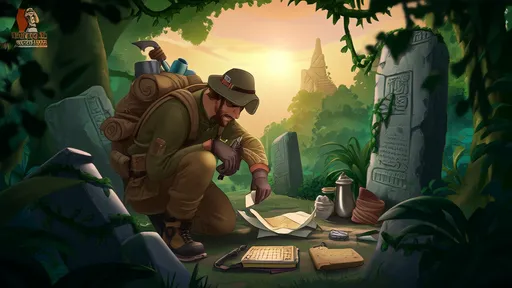
The profession of game archaeology remains one of the most obscure yet fascinating corners of both the gaming industry and academic research. These digital excavators dedicate their lives to uncovering lost or forgotten games, preserving gaming history, and sometimes even reviving abandoned projects. Yet, their work often goes unnoticed by the broader public, overshadowed by the flashy announcements of new releases and blockbuster titles. The reality of their survival is a mix of passion-driven labor, financial instability, and the constant battle against technological obsolescence.
Game archaeologists operate in a field where passion frequently outweighs monetary reward. Many enter the profession out of a deep love for gaming history, driven by the thrill of rediscovering a long-lost prototype or piecing together fragmented code from decades past. However, this enthusiasm rarely translates into financial stability. Unlike mainstream game developers or historians, those who specialize in game preservation seldom find lucrative employment. Most work as freelancers, patching together income from grants, donations, or side gigs in related fields like software restoration or archival consulting. The lack of institutional support means that many must balance their preservation work with other jobs just to make ends meet.
The technical challenges of game archaeology cannot be understated. Unlike traditional archaeology, where physical artifacts endure in some form for centuries, digital media is frighteningly ephemeral. Storage formats degrade, hardware becomes obsolete, and proprietary software locks away access to old files. Game archaeologists must constantly adapt, learning archaic programming languages, reverse-engineering defunct hardware, and sometimes even building custom emulators just to access a single forgotten title. The work is painstaking, often requiring months or years of effort for what might amount to a few minutes of recovered gameplay. And even then, there’s no guarantee that their efforts will be recognized or valued by the wider industry.
Legal hurdles further complicate the survival of game archaeologists. Copyright laws were not designed with digital preservation in mind, and many of the games they seek to save exist in a legal gray area. Even if a game has been abandoned by its original developers and publishers, the rights often remain locked away in corporate archives, making redistribution or restoration a risky endeavor. Some archaeologists operate under the radar, sharing their findings in niche online communities, while others engage in lengthy battles to secure permissions—assuming they can even track down the rights holders. The constant threat of legal action looms over their work, forcing many to operate cautiously or abandon projects altogether.
Despite these challenges, game archaeologists have scored some notable victories in recent years. Lost titles like Heart of Darkness prototypes or the infamous Bio Force Ape have been recovered thanks to their efforts. Online communities like the Hidden Palace or the Video Game History Foundation have provided platforms for sharing discoveries and rallying support. Yet, these successes are often the exception rather than the rule. For every recovered game, dozens more slip into oblivion as hardware fails, data corrupts, or the last people with knowledge of a project pass away.
The future of game archaeology hinges on broader recognition and institutional support. Some universities and museums have begun to take interest, offering grants or hosting digital preservation initiatives. Companies like Nintendo and Sony have also started acknowledging the importance of their own histories, though their approaches remain selective. For now, the survival of game archaeologists depends largely on the dedication of a small but fervent community. They work not for fame or fortune, but for the belief that gaming’s past is worth saving—even if the world at large has yet to fully appreciate their efforts.

By /Jul 29, 2025

By /Jul 29, 2025

By /Jul 29, 2025

By /Jul 29, 2025

By /Jul 29, 2025

By /Jul 29, 2025

By /Jul 29, 2025

By /Jul 29, 2025

By /Jul 29, 2025

By /Jul 29, 2025

By /Jul 29, 2025

By /Jul 29, 2025

By /Jul 29, 2025

By /Jul 29, 2025

By /Jul 29, 2025

By /Jul 29, 2025

By /Jul 29, 2025
By /Jul 29, 2025
By /Jul 29, 2025

By /Jul 29, 2025
