The high seas have long been considered the last frontier of scientific exploration, a vast and largely uncharted realm teeming with life forms that defy imagination. Among these, microbial communities thriving in the abyssal depths have captured the attention of researchers and corporations alike. These microorganisms, adapted to extreme conditions of pressure, temperature, and darkness, possess unique genetic traits with potential applications in medicine, biotechnology, and industry. What was once a purely academic pursuit has now escalated into a high-stakes race to claim intellectual property rights over these genetic resources—a phenomenon critics have dubbed "biopiracy of the deep."
The legal and ethical quagmire surrounding deep-sea microbial patents is as murky as the ocean floor itself. Unlike terrestrial biodiversity, which falls under national jurisdictions and international agreements like the Nagoya Protocol, marine genetic resources in international waters exist in a regulatory gray zone. The United Nations Convention on the Law of the Sea (UNCLOS) provides some framework but lacks specific provisions addressing bioprospecting in areas beyond national jurisdiction. This vacuum has allowed companies to file patents based on genetic sequences extracted from microorganisms collected during research expeditions, often without clear benefit-sharing mechanisms for the global community.
Recent years have seen a surge in patent applications related to deep-sea microbes. Pharmaceutical giants are particularly interested in enzymes that function under extreme conditions, which could lead to breakthroughs in drug development or industrial processes. One notorious case involves a heat-resistant enzyme from a hydrothermal vent microbe, now patented for use in PCR testing—a foundational technique in modern molecular biology. While such discoveries undoubtedly advance science, concerns grow about the privatization of resources that, by their very nature, belong to no single nation or entity.
The scientific community remains divided on how to balance innovation incentives with equitable access. Proponents of the current system argue that patents are necessary to justify the enormous costs of deep-sea exploration and research. Without the promise of intellectual property protection, they claim, private companies would have little motivation to invest in these expensive and risky ventures. However, critics counter that the current regime allows wealthy nations and corporations to monopolize genetic wealth that should be considered the common heritage of humankind. Developing nations, many of which lack the technological capacity to conduct deep-sea research, find themselves excluded from potential benefits derived from resources found in international waters.
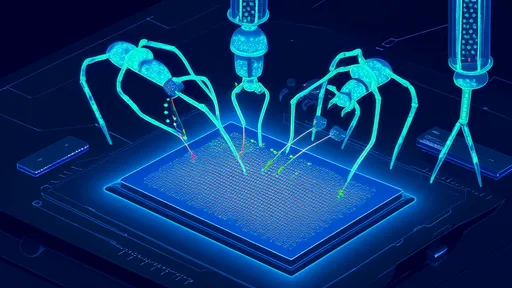
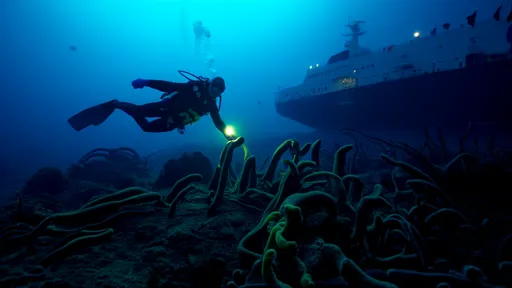
Technological advancements have further intensified the race to mine the ocean's genetic resources. Automated sampling devices can now collect microbial specimens at depths previously inaccessible, while advanced sequencing technologies allow researchers to analyze genetic material without even cultivating the organisms in laboratories. This has led to a new form of bioprospecting where companies can rapidly screen thousands of microbial samples for commercially valuable traits. Some research vessels have become floating laboratories, processing samples at sea to establish priority claims before returning to port.
The environmental implications of deep-sea bioprospecting add another layer of complexity to the debate. While microbial collection might seem harmless compared to deep-sea mining or bottom trawling, scientists warn that we know too little about these ecosystems to assess the potential impacts. Microorganisms form the base of deep-sea food webs and play crucial roles in biogeochemical cycles. Large-scale collection efforts could disrupt these delicate systems before we fully understand them. Moreover, the focus on patentable genetic resources may skew research priorities away from fundamental ecological studies toward commercially driven investigations.
International efforts to establish clearer governance frameworks are underway but progress remains slow. The proposed UN treaty on biodiversity beyond national jurisdictions (BBNJ) aims to address some of these issues, including provisions for marine genetic resources. However, negotiations have been hampered by disagreements between nations favoring the "freedom of the high seas" principle and those advocating for the "common heritage of mankind" approach. The treaty's eventual shape could determine whether deep-sea genetic resources become another arena for corporate competition or a model for international cooperation and equitable benefit-sharing.
As the legal battles and ethical debates continue, the reality is that hundreds of patents related to deep-sea microorganisms already exist, with more being filed each year. Some research institutions have attempted to establish alternative models, such as open-access databases of marine genetic sequences or benefit-sharing agreements with developing nations. However, these voluntary measures lack the teeth of binding international law. The coming years will likely see increased tensions as more players enter the field and the commercial potential of marine genetic resources becomes increasingly apparent.
The deep sea's genetic gold rush raises profound questions about humanity's relationship with the natural world. In our pursuit of scientific advancement and commercial gain, we risk repeating historical patterns of exploitation—this time in one of Earth's last wildernesses. The challenge lies in developing a system that encourages innovation while ensuring these shared resources benefit all of humanity, not just those with the technology and capital to exploit them. As we venture deeper into the ocean's genetic frontier, the decisions we make today will shape the future of marine research, international law, and environmental ethics for generations to come.
By /Jul 29, 2025

By /Jul 29, 2025
By /Jul 29, 2025

By /Jul 29, 2025
By /Jul 29, 2025

By /Jul 29, 2025

By /Jul 29, 2025
By /Jul 29, 2025
By /Jul 29, 2025
By /Jul 29, 2025

By /Jul 29, 2025
By /Jul 29, 2025
By /Jul 29, 2025
By /Jul 29, 2025
By /Jul 29, 2025

By /Jul 29, 2025

By /Jul 29, 2025

By /Jul 29, 2025
By /Jul 29, 2025
By /Jul 29, 2025
