In a groundbreaking discovery that could revolutionize waste management, scientists have identified a surprising ally in the fight against plastic pollution: the humble mealworm. More specifically, researchers have uncovered that microbial communities within the mealworm's gut possess the remarkable ability to break down polyurethane, one of the most notoriously persistent plastics plaguing our planet.
The Plastic-Eating Phenomenon
Polyurethane has long been considered one of the most challenging plastics to recycle or degrade. Used in everything from furniture foam to insulation panels, this versatile material accumulates in landfills and natural environments, where it can persist for centuries. Traditional disposal methods often involve incineration, which releases toxic chemicals into the atmosphere, or landfilling, where the plastic remains essentially unchanged for generations.
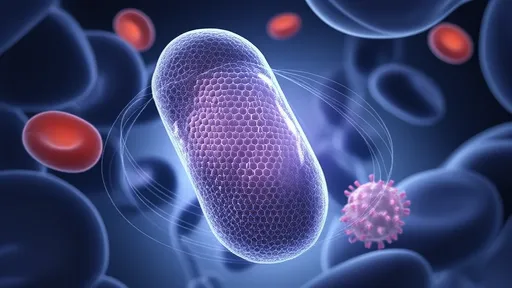
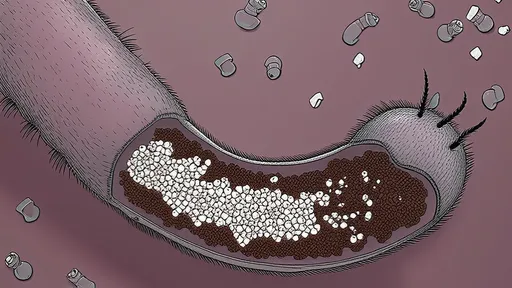
Enter Tenebrio molitor, commonly known as the yellow mealworm. These unassuming larvae have revealed an extraordinary talent: they can consume and biodegrade polyurethane plastics. The secret lies not in the worms themselves, but in the complex microbial ecosystem thriving in their digestive tracts. These gut bacteria produce enzymes capable of breaking the strong chemical bonds in polyurethane, effectively digesting what was previously considered indigestible.
A Microscopic Solution to a Macro Problem
The discovery emerged from careful laboratory observations where mealworms were fed diets containing polyurethane foam. To the researchers' astonishment, the worms not only survived but thrived, converting nearly half of the plastic they consumed into carbon dioxide and biodegradable waste. Detailed analysis revealed that the plastic was being broken down in the worms' guts within 24 hours of consumption.
What makes this finding particularly exciting is the potential scalability. Unlike previous discoveries of plastic-degrading organisms that required specific environmental conditions, mealworm gut bacteria operate at room temperature and normal atmospheric conditions. This suggests the possibility of developing industrial-scale plastic waste treatment systems based on these natural processes.
From Worm Guts to Real-World Applications
Scientists are now racing to isolate and identify the specific bacterial strains responsible for this plastic degradation. Early genomic studies suggest that certain species from the Pseudomonas and Bacillus genera may play key roles in the process. Understanding the precise enzymatic mechanisms could lead to bioengineered solutions that don't require maintaining live worm colonies.
One promising avenue involves creating bioreactors that mimic the mealworm gut environment, allowing concentrated bacterial cultures to process plastic waste efficiently. Another approach focuses on synthesizing the plastic-digesting enzymes for use in industrial recycling facilities. Both methods could potentially handle the millions of tons of polyurethane waste generated annually worldwide.
Challenges and Considerations
While the discovery offers tremendous hope, significant hurdles remain before mealworm-inspired solutions can make a dent in global plastic pollution. The current degradation rate, while impressive in laboratory settings, would need to be dramatically accelerated for practical waste management applications. There are also questions about the byproducts of this biodegradation and whether they might have unintended environmental consequences.
Researchers emphasize that this biological approach should complement rather than replace existing plastic reduction and recycling efforts. "The best solution to plastic pollution is producing less plastic in the first place," notes Dr. Lena Jakobs, a microbiologist studying the phenomenon. "But for the plastic waste that already exists and continues to accumulate, these microbial miners offer a potentially game-changing tool."
The Bigger Picture
The mealworm discovery adds to a growing body of research exploring nature's capacity to address human-created environmental challenges. From oil-eating bacteria to fungi that break down pesticides, scientists are increasingly looking to biological systems for sustainable solutions. The polyurethane-digesting microbes represent another example of how studying nature's adaptations might help solve some of our most pressing ecological crises.
As research progresses, the scientific community remains cautiously optimistic. The journey from laboratory curiosity to practical application is often long and complex, but the potential rewards - a meaningful solution to one of plastic pollution's toughest challenges - make this line of inquiry particularly compelling. For now, the humble mealworm and its microscopic gut companions have given us both hope and a fascinating new direction in the quest for sustainable waste management solutions.
By /Jul 29, 2025
By /Jul 29, 2025
By /Jul 29, 2025
By /Jul 29, 2025
By /Jul 29, 2025

By /Jul 29, 2025
By /Jul 29, 2025
By /Jul 29, 2025
By /Jul 29, 2025
By /Jul 29, 2025
By /Jul 29, 2025
By /Jul 29, 2025
By /Jul 29, 2025
By /Jul 29, 2025
By /Jul 29, 2025
By /Jul 29, 2025
By /Jul 29, 2025
By /Jul 29, 2025
By /Jul 29, 2025
By /Jul 29, 2025
